Intro to XSS
Introduction
As web applications become more advanced and more common, so do web application vulnerabilities. Among the most common types of web application vulnerabilities are Cross-Site Scripting (XSS) vulnerabilities. XSS and XSRF vulnerabilities exploit flaws in user input sanitization to insert and execute JavaScript code on the client side, enabling various attacks.
What is XSS
A web application typically renders HTML received from the server. If it fails to sanitize user input, a malicious user can inject JavaScript code, which is executed when another user views the page.
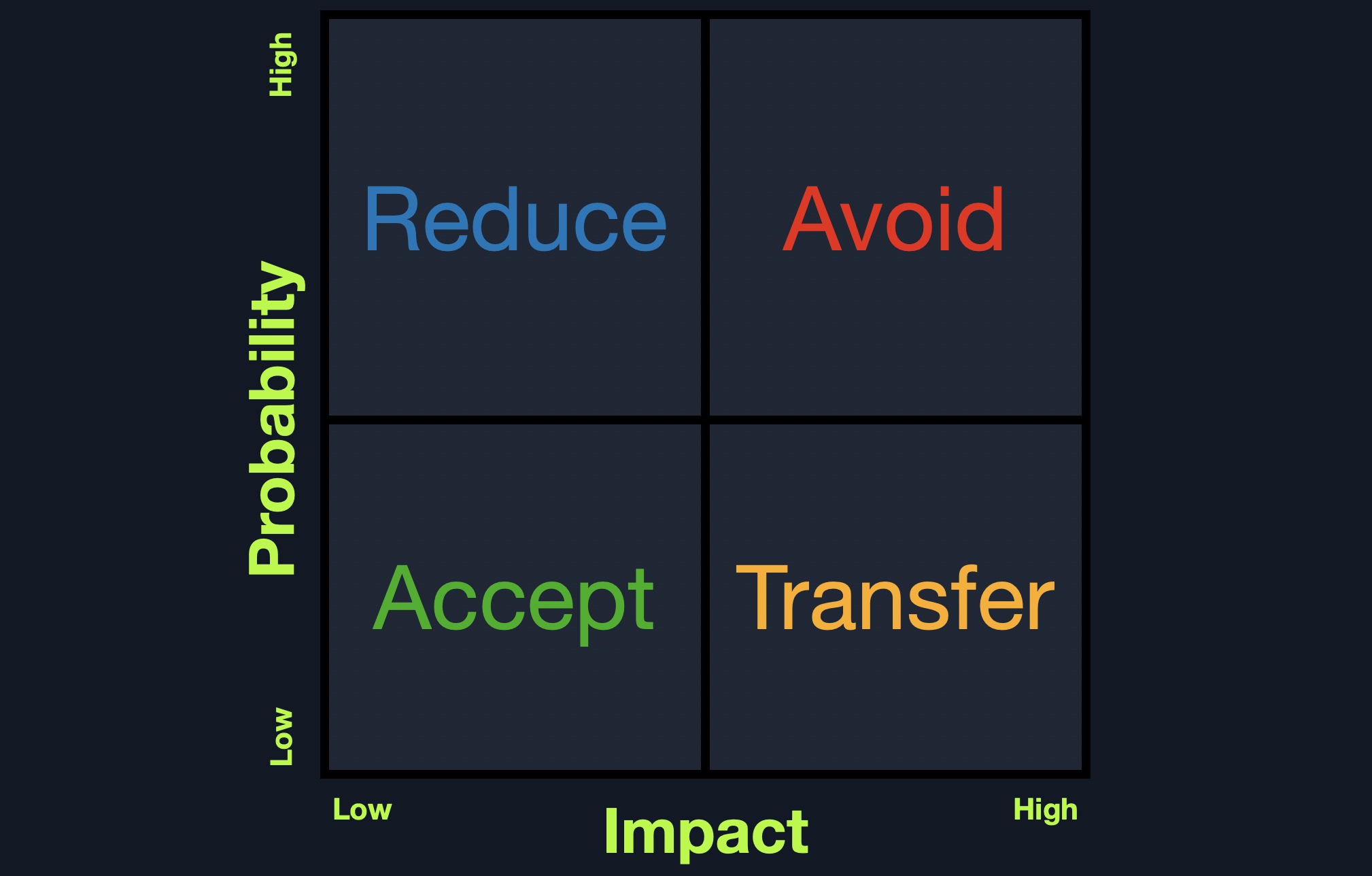
XSS is executed entirely on the client side and does not directly affect the back-end server. While its impact on the server may be low, its high frequency makes it a medium-risk vulnerability. Medium Risk = Low Impact + High Probability.
Risk Management Matrix: Probability vs. Impact, with strategies like Reduce, Avoid, Accept, and Transfer.
XSS Attacks
XSS vulnerabilities can be used for:
- Stealing session cookies by sending them to an attacker’s server.
- Executing malicious API calls like changing passwords.
- Cryptojacking (Bitcoin mining), displaying ads, and more.
Modern XSS attacks are sandboxed within the browser and domain but can still lead to advanced exploits. For example, a skilled attacker might use an XSS to trigger a binary exploit (e.g., heap overflow) in the browser.
Notable Examples:
- Samy Worm (2005): Exploited a stored XSS on MySpace, affecting 1M+ users in a day. Spread through auto-posting a payload with "Samy is my hero."
- TweetDeck XSS (2014): Created a self-retweeting tweet due to an accidental XSS in TweetDeck. Retweeted 38,000+ times in under two minutes.
- Google XSS (2019): Found in XML library used by Google Search.
- Apache Server XSS: Exploited to steal user passwords.
These examples demonstrate that XSS remains a threat even in high-profile web applications.
Types of XSS
There are three main types of XSS vulnerabilities:
| Type | Description |
|---|---|
| Stored (Persistent) XSS | The most critical type of XSS, which occurs when user input is stored on the back-end database and then displayed upon retrieval (e.g., posts or comments) |
| Reflected (Non-Persistent) XSS | Occurs when user input is displayed on the page after being processed by the backend server, but without being stored (e.g., search result or error message) |
| DOM-based XSS | Another Non-Persistent XSS type that occurs when user input is directly shown in the browser and is completely processed on the client-side, without reaching the back-end server (e.g., through client-side HTTP parameters or anchor tags) |